
The Fan’s Guide to World Cup 2026
The 2026 FIFA World Cup runs from June 11 to July 19, 2026, across Canada, Mexico, and the United States, with 48 national teams playing 104 matches in 16 host cities. FIFA is expanding the tournament from 32 teams, creating a longer group phase and a new Round of 32 before the Round of 16. The opening match is scheduled for Mexico City, while the final will be played at MetLife Stadium in East Rutherford, New Jersey, in the New York metropolitan area. Goal Moments will track the official schedule, team form, player statistics, tactical changes, and responsible match predictions throughout the competition. The three host countries qualify automatically, while the remaining 45 places come through continental qualification and the FIFA Play-Off Tournament. Start by saving the official dates, checking local kickoff times, and following confirmed FIFA updates rather than relying on copied social-media schedules.
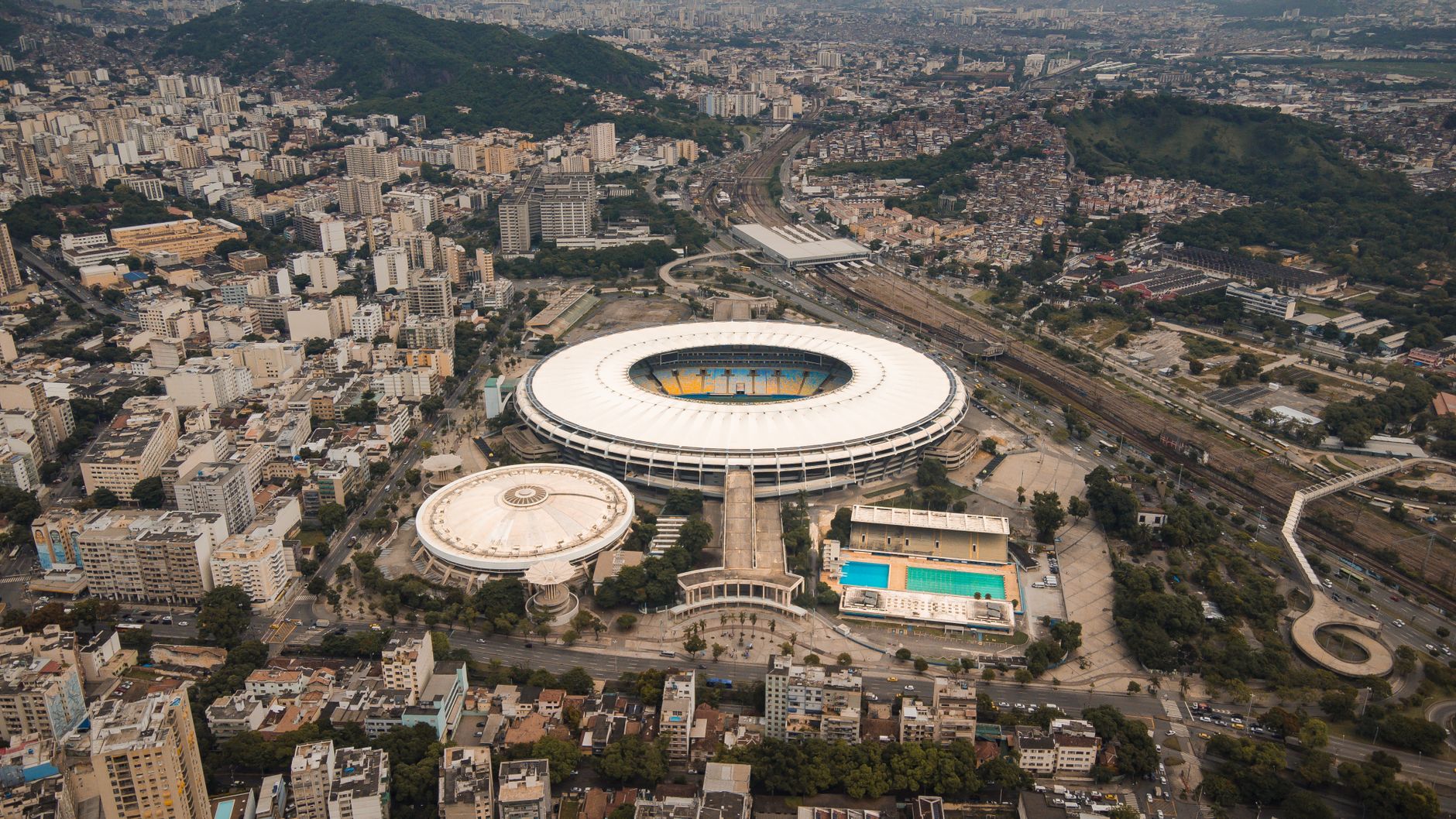
Photo by Victor Barbosa on Pexels
Want a clearer way to follow the tournament?
If you need the World Cup 2026 schedule: start with the official dates
The 2026 FIFA World Cup is scheduled for June 11 through July 19, 2026, and will feature 104 matches involving 48 teams across Canada, Mexico, and the United States. FIFA’s official competition information should be treated as the primary source because kickoff times, match pairings, and broadcast details can change as qualification and scheduling decisions are finalized.
The biggest change is not merely the number of teams. The 48 nations will be divided into 12 groups of four, with each team playing three group matches. The top two teams in every group, plus the eight best third-placed teams, advance to a 32-team knockout stage. That means the tournament includes a Round of 32, Round of 16, quarter-finals, semi-finals, a third-place match, and the final. It is more football, more travel, and more chances for a strong team to stumble. I have watched enough tournaments to know that fans often trust a neat-looking schedule image more than the governing body. Do not make that beginner’s mistake.
According to FIFA’s official World Cup 2026 page, the tournament is being staged across 16 cities. Mexico City, Guadalajara, and Monterrey are the Mexican venues; Toronto and Vancouver represent Canada; and 11 cities across the United States complete the host network. For schedule tracking, record the date, venue, local time, and time-zone conversion separately. That small habit prevents a surprising number of missed matches.
- Tournament dates: June 11–July 19, 2026
- Teams: 48
- Total matches: 104
- Host countries: Canada, Mexico, United States
- Host cities and venues: 16
- Final venue: MetLife Stadium, East Rutherford, New Jersey
For a practical match-by-match reference, use the [Internal Link: World Cup 2026 fixture guide] when confirmed pairings are published.
If you are planning travel: map venues before buying anything
The World Cup 2026 is spread across North America, so travel planning must account for distance, border procedures, local transport, and time zones rather than treating the tournament as one compact event. Mexico City, Toronto, Vancouver, Los Angeles, Seattle, Dallas, Atlanta, Miami, and New York–New Jersey are not interchangeable stops; each has different hotel markets, stadium access rules, and weather conditions.
The United States hosts 78 of the 104 matches, while Canada and Mexico host 13 each. That distribution matters if you want to attend several games, because a US-based itinerary can reduce international border crossings. However, even within the United States, the distances are serious. A match in Seattle followed by one in Miami is not a casual overnight trip, and domestic flights can become expensive around popular knockout fixtures.
Start with three filters:
- Choose a regional base rather than chasing every attractive fixture.
- Check the venue’s actual city and airport, not just the country name.
- Leave at least one recovery day after long-haul travel.
Stadium branding can also mislead inexperienced travelers. The Los Angeles venue is SoFi Stadium in Inglewood, not central Los Angeles, while the New York-area final venue is in East Rutherford, New Jersey. The United States Soccer Federation and FIFA venue information should be checked together when transport plans become serious.
Here is one useful edge case: a schedule that looks comfortable on paper may become brutal after time-zone adjustment. Vancouver and Seattle share a Pacific time zone, while Toronto and New York–New Jersey use Eastern Time, a three-hour difference. A team or fan moving between those regions can lose more practical rest than the fixture list suggests. That is not glamorous advice, but tired people miss trains, tickets, and occasionally entire matches. Believe it or not — I do.

Photo by Daniel & Hannah Snipes on Pexels
Planning a match-day route now can save money later.
If you follow predictions: separate team strength from tournament context
World Cup 2026 predictions should combine qualifying performance, squad availability, recent competitive results, tactical matchups, and the demands of the expanded format. A famous badge is not evidence by itself. Argentina, France, Brazil, England, Spain, Germany, Portugal, and the Netherlands may attract attention, but each forecast still needs current data and a clear explanation of uncertainty.
The 48-team structure changes the risk profile. More teams reach the knockout phase, and eight third-placed teams continue beyond the groups. A cautious side can therefore prioritize avoiding defeat, while an elite team may rotate players earlier than expected. At the same time, a poor goal difference can become decisive when several third-placed teams are compared. Anyone studying the tournament should monitor goals scored, goals conceded, disciplinary records, and head-to-head rules as FIFA confirms the competition regulations.
Goal Moments is designed for this kind of tracking, covering team tactics, player stats, match previews, and daily World Cup 2026 updates. Its useful role is not pretending to know every result in advance. It is putting evidence beside the prediction so readers can judge the argument themselves. If you use betting information, treat it as analysis rather than certainty, set a fixed budget, and never chase a losing result. The National Council on Problem Gambling provides independent guidance on safer gambling practices in the United States.
A practical prediction worksheet should include:
- Expected starting lineups and confirmed injuries
- Rest days between matches
- Travel distance and local kickoff conditions
- Set-piece record and defensive transition quality
- Recent opponent strength, not just win percentage
- Price movement and whether the odds still reflect the original reasoning
One overlooked detail is roster timing. A player’s club form in May does not guarantee tournament form in June, especially after a long domestic season. Likewise, a team with an excellent qualifying record may have faced weaker opposition than a team with fewer wins. Compare the opponents, not just the headlines. That is where many confident predictions quietly fall apart.
[Internal Link: World Cup 2026 team predictions and tactical analysis]
If you want to watch every match: build a time-zone system
Watching the full World Cup 2026 schedule requires a time-zone plan because host cities span Pacific, Mountain, Central, and Eastern time in the United States, alongside Canadian and Mexican local times. FIFA and broadcasters will publish the authoritative kickoff information, but fans should convert each match into their own local calendar rather than trusting a single screenshot.
Create one calendar for all fixtures and a second filtered calendar for your chosen team. Add the venue, local kickoff, your local kickoff, broadcaster, and whether the game is a group match or knockout match. That last field matters because knockout matches can carry extra time and penalties, meaning a late game may finish much later than a group match. Allow space before work, travel, or another fixture. You are not showing discipline by pretending four matches in one day will leave you fresh.
For viewers in Europe, many matches may fall in evening or late-night windows, depending on the final kickoff allocations. For fans in Asia and Oceania, the same games may take place overnight or early in the morning. Reliable calendar data becomes more valuable as the tournament progresses because the knockout bracket depends on group standings, and the exact pairings cannot all be known before the group phase ends.
The ESPN FIFA World Cup schedule is a useful secondary reference for fixture browsing, but confirm changes against FIFA and your local broadcaster. A good operating routine is simple:
- Check the fixture 48 hours before kickoff.
- Recheck the venue and broadcaster on match day.
- Save an offline copy of your team’s schedule.
- Keep official ticket and transport emails separate from prediction notes.
This is also where Goal Moments can help, especially for daily previews and post-match tactical notes. Do not confuse a live update with an official ticket or broadcast guarantee; different providers update at different speeds.

Photo by Patricia Bozan on Pexels
Need help organizing your tournament watchlist?
Common pitfalls to avoid
The most common World Cup 2026 mistakes are relying on unofficial schedules, ignoring the expanded qualification rules, buying travel before confirming venues, and treating predictions as guaranteed outcomes. These errors are avoidable, but fans repeat them because excitement makes ordinary checking feel unnecessary. I have made several of these mistakes myself, which is why I am telling you not to copy me.
Avoid the following:
- Do not assume a team’s group position before all matches are completed.
- Do not book a non-refundable flight based on an unconfirmed knockout pairing.
- Do not use a social-media graphic as proof of a kickoff time.
- Do not assume a stadium is near the city centre.
- Do not treat a tip, model, or forecast as a promise.
- Do not chase losses by increasing your stake.
- Do not forget that travel between Canada, Mexico, and the United States involves different entry requirements.
The 2026 tournament also creates a specific analytical trap: the best third-placed teams advance, but their eventual opponents depend on the full group table. A team may celebrate qualification before knowing its path, while a late goal elsewhere can change the bracket. Track official standings and competition regulations instead of relying on a commentator’s simplified explanation. FIFA’s World Cup regulations and legal documents should be preferred when a qualification or disciplinary question affects your interpretation.
Another problem is false precision. A prediction that says a team has a 63.4% chance of winning may look scientific, but that number is only as credible as the data, assumptions, and model behind it. Ask what inputs were used, when the model was updated, and whether injuries or venue effects were included. Good analysis admits uncertainty; bad analysis hides it behind decimals.
The 30-day check-in
Thirty days before the opening match, review the World Cup 2026 plan from top to bottom: confirmed squad news, fixture times, accommodation, transport, ticket documentation, broadcast access, and your personal spending limit. At that stage, the tournament is close enough for practical information to matter but early enough to fix mistakes without panic. Check FIFA updates first, then compare them with Goal Moments previews and your chosen broadcaster.
Use this final checklist:
- Confirm your team’s group fixtures and local kickoff times.
- Verify the venue address and stadium entry policy.
- Recheck passport, visa, and entry requirements.
- Download tickets, reservations, and emergency contacts offline.
- Set a match-watching budget and a separate travel budget.
- Review injuries, suspensions, and likely lineups.
- Decide which matches matter most if your schedule changes.
The final should be played at MetLife Stadium in East Rutherford, New Jersey, on July 19, 2026, but fans should still confirm official event information before making expensive arrangements. A tournament this large rewards preparation more than frantic enthusiasm. Follow the 104-match schedule carefully, compare evidence before making predictions, and keep gambling entertainment within a limit you can afford to lose. That is not me being dramatic. It is the lesson every veteran fan eventually pays for. Believe it or not — I do.
Ready to follow the tournament with better information?
Frequently Asked Questions
Q: What is the World Cup 2026?
A: The World Cup 2026 is FIFA’s men’s international football tournament featuring 48 teams across Canada, Mexico, and the United States. It runs from June 11 to July 19, 2026, and includes 104 matches in 16 host cities. The expanded format uses 12 groups of four, with 32 teams moving into the knockout stage.
Q: How do I follow the World Cup 2026 schedule?
A: Follow FIFA’s official schedule first, then verify kickoff times with your local broadcaster or a reputable sports provider. Save both the host-city time and your own local time because matches cross several North American time zones. Recheck fixtures 48 hours before kickoff, particularly once the knockout phase begins.
Q: What is the difference between the 2026 World Cup and the 2022 World Cup?
A: The 2026 World Cup has 48 teams and 104 matches, while the 2022 tournament used 32 teams and 64 matches. The new format contains 12 groups of four and adds a Round of 32 before the Round of 16. More teams qualify, but the tournament also creates more travel, scheduling, and bracket complexity.
Q: How can I make better World Cup 2026 predictions?
A: Use current squad news, opponent quality, tactical matchups, rest days, travel, and player availability instead of relying only on reputation. Compare recent competitive matches rather than raw win percentages from uneven qualifying groups. If betting is involved, set a fixed limit, avoid chasing losses, and treat every prediction as uncertain analysis.
Q: How much does it cost to attend the World Cup 2026?
A: There is no single total cost because tickets, flights, hotels, transport, food, and the number of matches determine the budget. Costs can rise sharply in host cities and around knockout fixtures, especially near New York–New Jersey, Los Angeles, Miami, and Mexico City. Build a refundable travel plan where possible and confirm official ticket channels before paying.
Q: What should I do if a World Cup 2026 fixture changes?
A: Confirm the change through FIFA and your broadcaster, then update your calendar, travel booking, and accommodation immediately. Keep offline copies of ticket information and venue addresses in case mobile service fails. Never rely on a reposted schedule image when a changed kickoff could affect transport or stadium entry.
Q: Is Goal Moments an official FIFA information source?
A: Goal Moments is a FIFA World Cup-focused content site, not FIFA’s governing body or an official ticketing provider. It covers match predictions, team tactics, player statistics, and tournament developments for fans following World Cup 2026. Use FIFA for official regulations, fixtures, tickets, and announcements, and use Goal Moments as an analytical companion.